
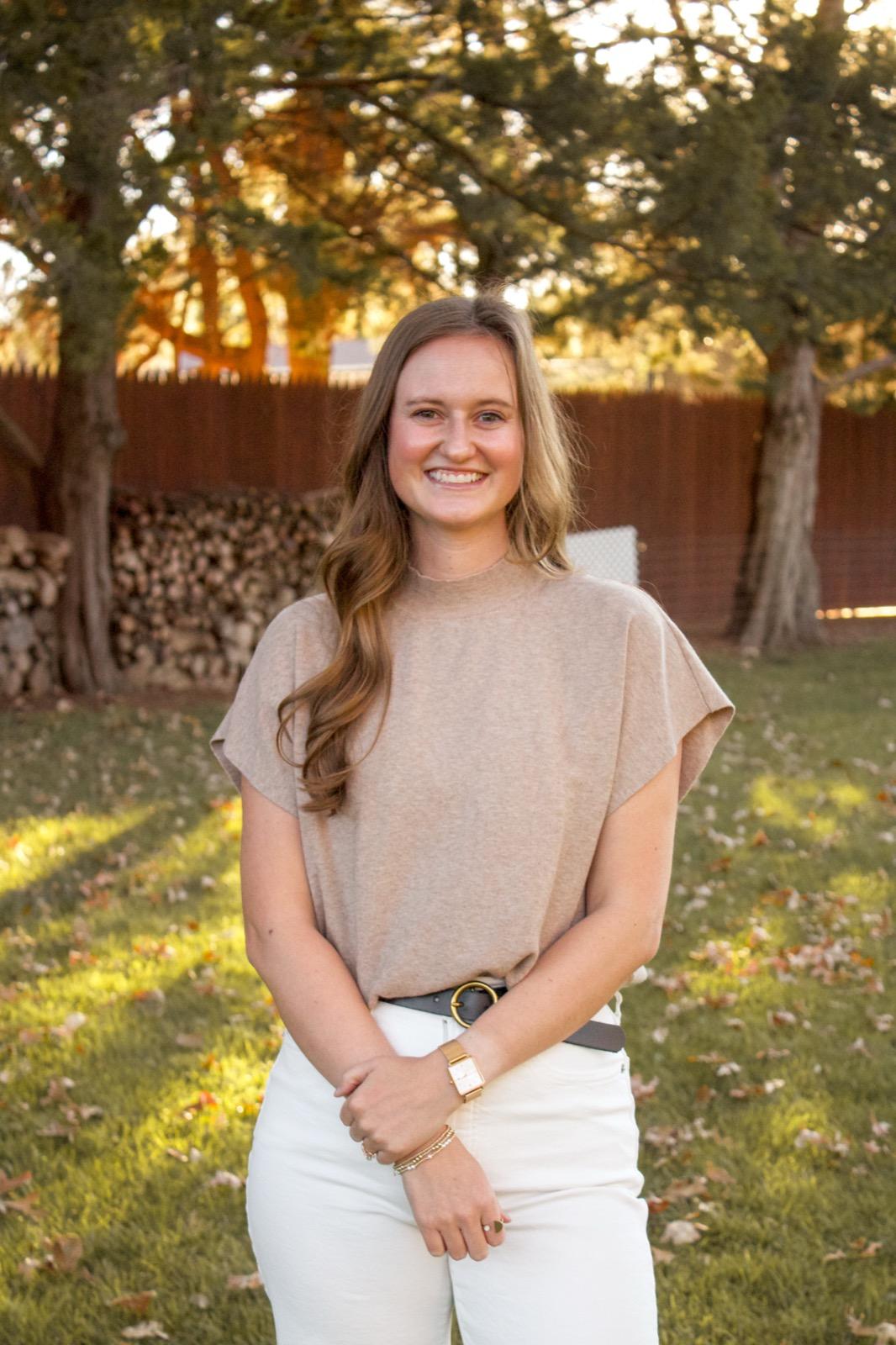
Hi, I'm Taylor
A DFW native, former collegiate athlete, and mental performance coach who's worked both courtside and behind the scenes of elite sport.
What is mental performance coaching?
Mental performance coaching helps you build the skills that let you perform your best under pressure: focus, confidence, composure, and the ability to move on quickly from a tough play, a bad set, or an off day. It's practical, skills based work, similar to strength training for the mind!
Taylor is currently working toward the Certified Mental Performance Consultant (CMPC) credential through the Association for Applied Sport Psychology (AASP), the field's leading certification and professional organization. It requires graduate coursework, supervised consulting hours, and a certification exam, and the coaching offered today already draws on that same training.
How I got here
My name is Taylor Deutsch, and I'm a DFW native with a passion for helping athletes thrive both in sport and in life. I played collegiate tennis before earning my master's degree in Sport and Performance Psychology from the University of Western States. I am currently pursuing my Certified Mental Performance Consultant (CMPC) certification, the gold standard in the field of mental performance.
After college, I spent several years working behind the scenes at professional sporting events, including the WTA and ATP Tours, Formula 1, and LIV Golf. Those experiences, combined with my background as an athlete and my graduate training, have shaped the way I support athletes, coaches, and parents today.
How I work with athletes, parents, and coaches
My approach combines evidence-based mental skills training with a focus on the broader environment surrounding each athlete. By working with athletes, parents, and coaches, I help create alignment and support systems that allow athletes to build confidence, manage challenges, and perform at their best.
I believe lasting performance comes from developing self-awareness, responding with intention, and creating environments where athletes can thrive.
Book a Free ConsultEducation
M.A., Sport & Performance Psychology
University of Western States, pursuing CMPC certification alongside the program.
B.A., Psychosocial Aspects of Sport & Coaching
Methodist University, four years of competitive Division III tennis, two as team captain.
Frequently asked questions
We work on the mental side of performance the same way a strength coach works on the physical side, building focus, confidence, and composure through practical exercises tied to your sport.
Mental performance coaching is skills based, not clinical. We're not treating mental health conditions, we're building performance skills. If clinical support is ever needed, we're happy to help make that connection.
Most clients are youth athletes ages 12 to 18, and the coaches and parents that support youth athletes, but the work applies just as well to college athletes, professional athletes, recreational adults, and the coaches and parents supporting them.
Every athlete is different, so every session is a little different too. Most sessions begin by talking through what's come up recently, like a tough match, an upcoming event, or a challenge you've been navigating. From there, we build practical skills and strategies you can use right away while continuing to work toward your long term goals.
Taylor holds a master's in Sport and Performance Psychology from the University of Western States and is currently pursuing the CMPC certification through AASP, the field's leading credential.
Every situation is different. Just like training your muscles at the gym, training your brain takes time. We won't sugar coat it, this is not a quick fix. Our goal is to work ourselves out of a job, by teaching you all the skills you need to move forward.
The cost varies based on the service that is right for you. Pricing is provided following the free consultation.
No, self-pay only.
A note on scope: Taylor is not a licensed mental health professional. Mental performance coaching focuses on the skills side of performance (focus, confidence, resilience), not clinical treatment. If deeper support is ever needed, Taylor maintains relationships with licensed mental health professionals and can help make that connection.
